Turn a real place into the adventure
you always wanted to play.
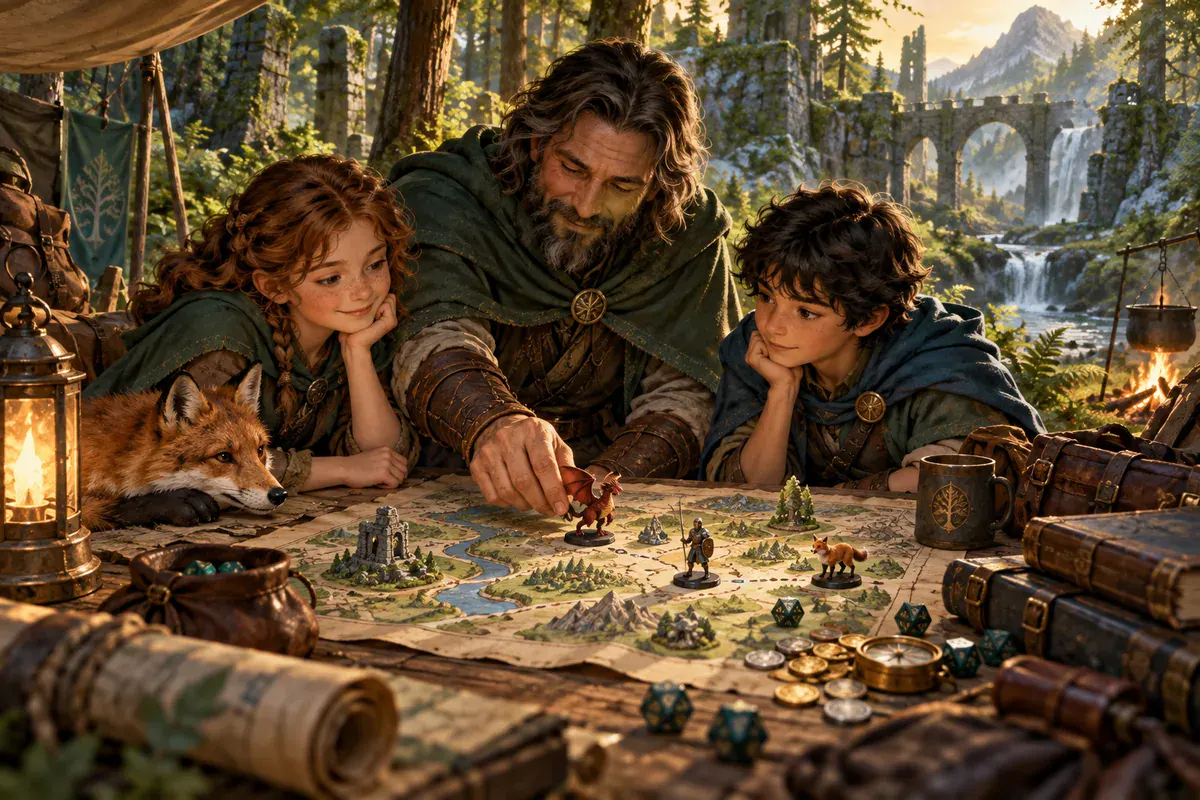
Describe the place, the story and the players to the AI assistant you already use. Eggtrail's RPG engine brings the duels, the coins, the merchant and a boss that stays locked until somebody finds the sword — played on a phone, at a printed QR code or a GPS stop.
Free — your first 2 trails, 5 teams at a time, no card.
- Written in 30 minutes
- QR codes or GPS stops
- No app, no account
Where it runs
The place sets the scene. You write the plot.
A bell tower at dusk, a gallery floor that creaks, fog on the river — no screen can build those. A trail borrows them and puts a card, a choice or a fight at every stop.
-
GPS stops
Film location hunts
A stop wherever the camera stood. The diner from the opening scene is a merchant selling the getaway map. The staircase from the chase is a duel. The last card opens only for a team holding the map and the vault key.
-
GPS stops
Downtown crawls
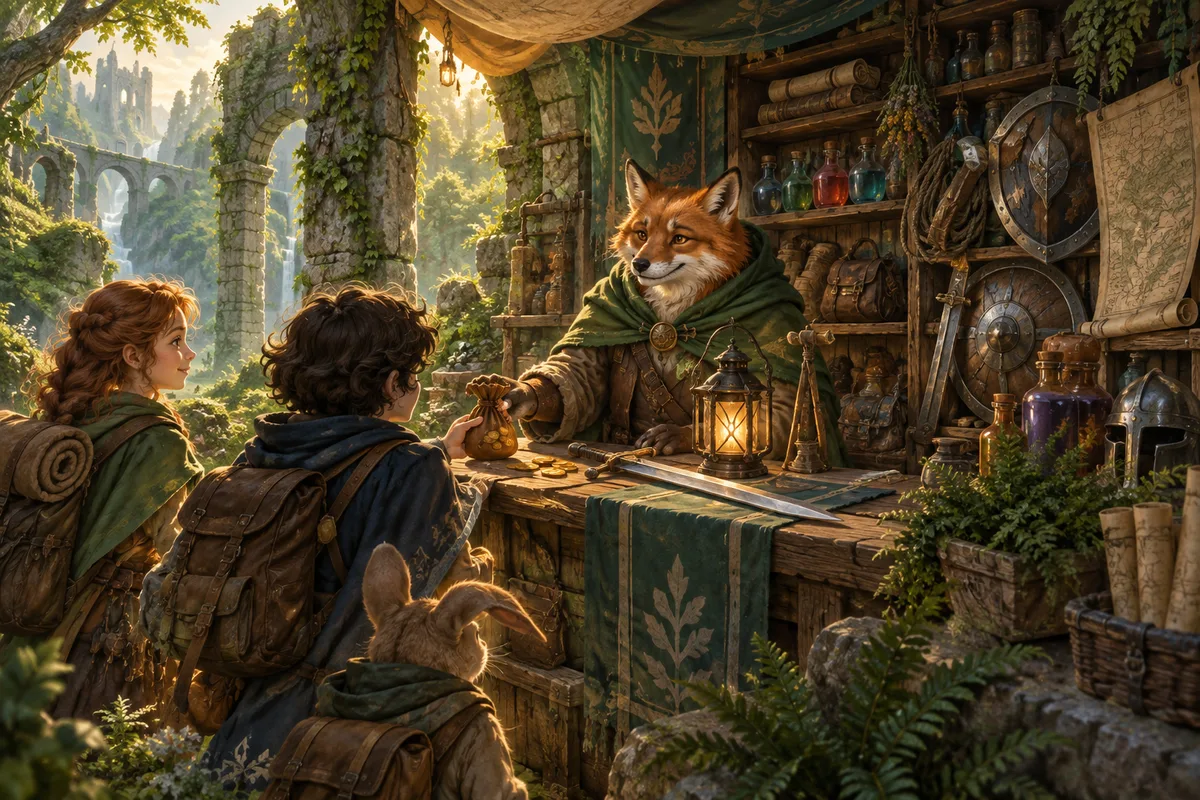
Six blocks, one evening. The bookshop on the corner is a merchant with a lantern on its shelf, paid for in coins a team found on the way. The clock tower is the boss, and it stays locked until somebody brings the lantern.
-
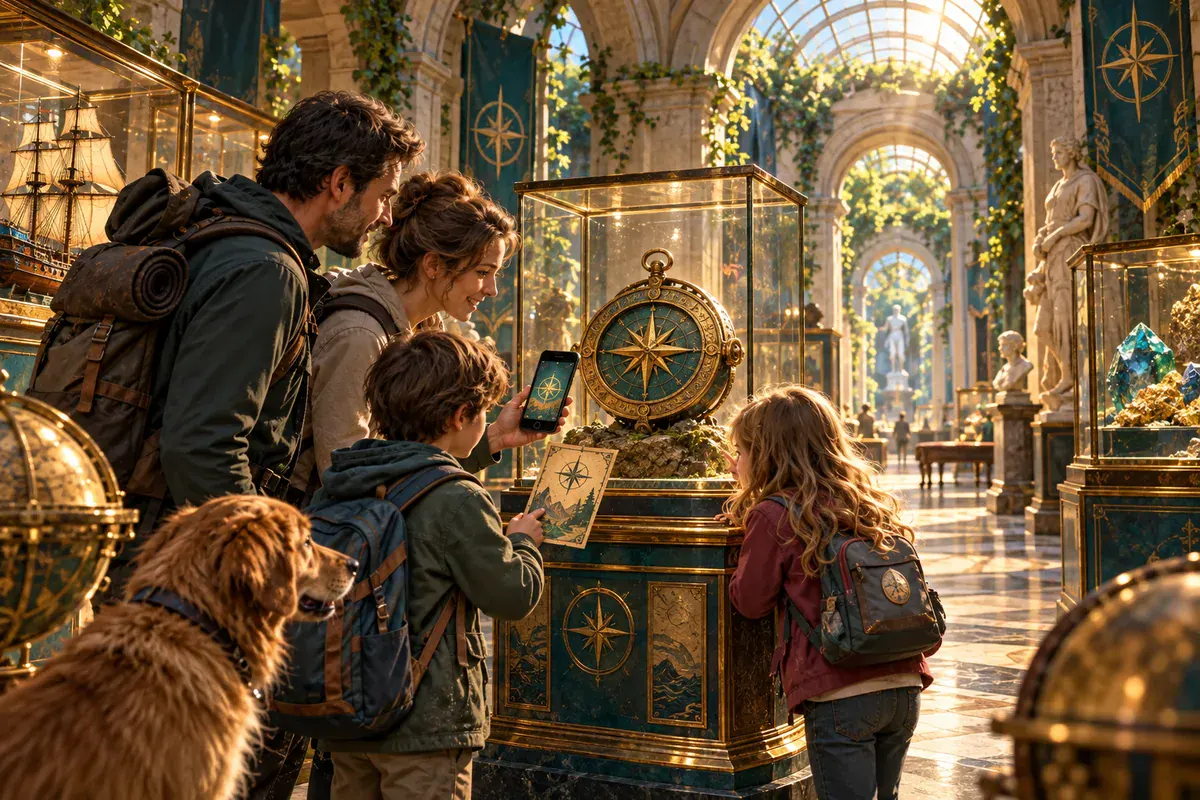
QR codes
Gamified museum tours
The code beside the mammoth asks the year on its plaque — the answer is on the wall, so the family has to look. The fossil hall's boss stays locked until they find the brush and the field helmet.
-
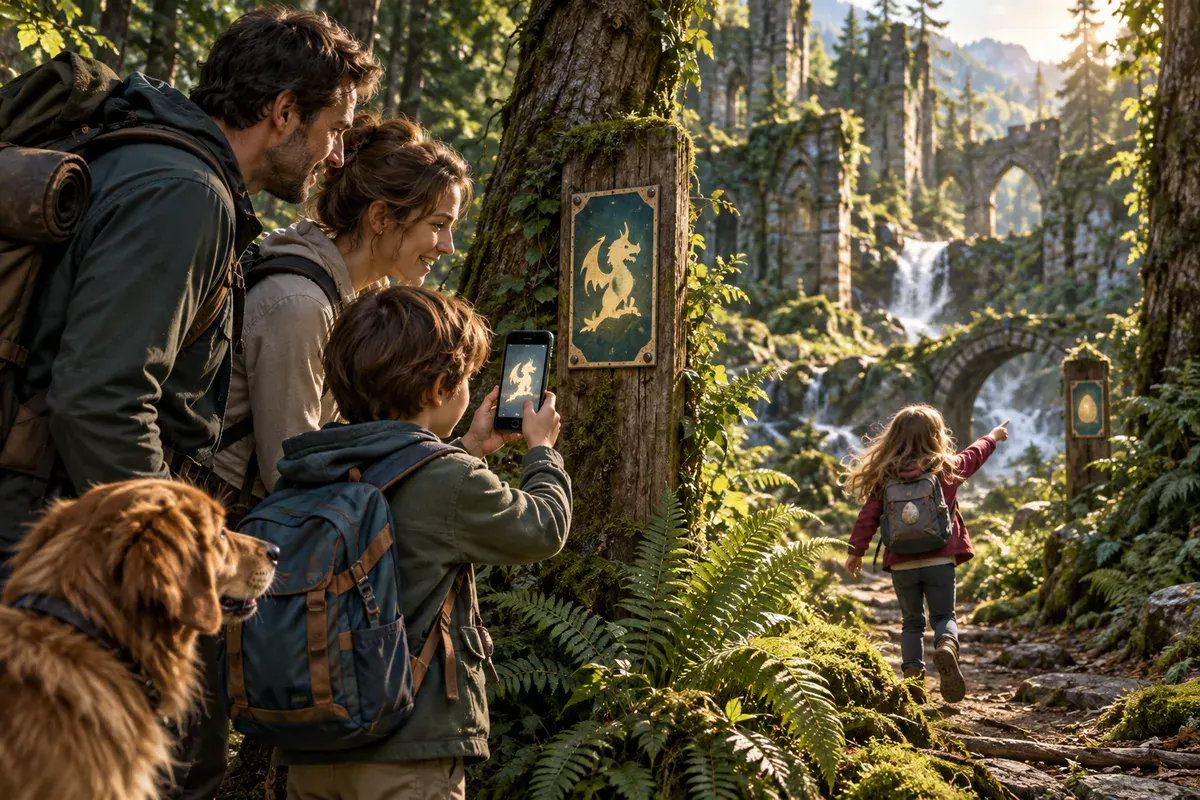
GPS or QR
Park hunts
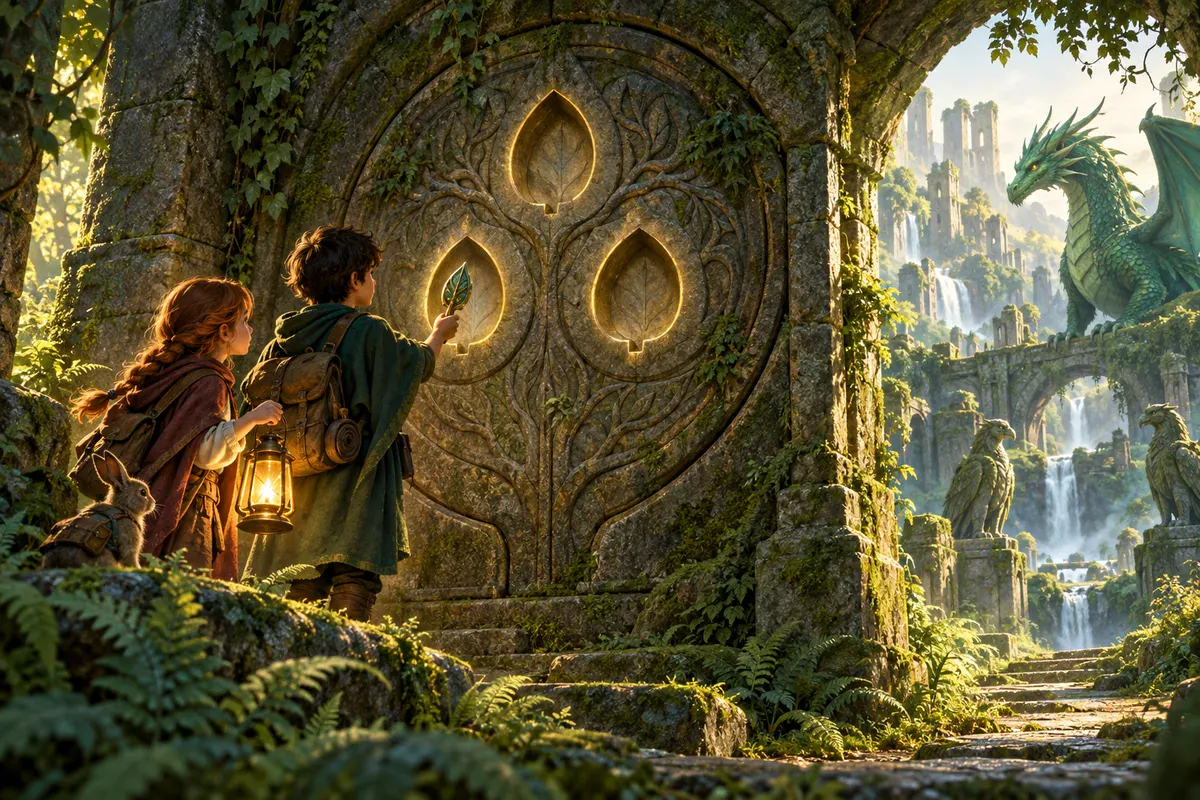
A fox under the oak darts when a team opens its card — tap to catch it. A trap on the footbridge: flip a coin to disarm it, or step around it for half the price. The dragon at the waterfall waits for the team with the shield.
The RPG engine
Nine mechanics, ready to place
You never write a rule. You decide what each stop does, and the engine runs it — the duel, the purse, the lock on the boss. Each tile opens the chapter of the handbook that documents it.
- Combat A pointer, a gap, a tap. Every enemy is fought, never calculated. Combat
- Nine kinds of card The kind decides what a scan does. The name and the art are yours. The nine kinds of card
- The boss's lock A card names the cards it needs first. That is the plot. Behind the boss
- Moving cards On a GPS trail, a card runs between spots on a clock. The host turns it on and answers for every spot. Moving cards
- Team roles How much gear a team carries, and which kind pays in full. Team roles and gear
- Coins and the merchant Spend coins on gear. Keep your earned points. Coins and the shop
- Dice, traps, questions Three cards that ask a team to decide before it pays. Coins and the shop
- The marketplace Teams sell captured cards to each other. Coins move, never appear. The marketplace
- The playtest Every fight fought and every purse counted before a code is printed. The playtest
- Running it Race or self-paced, the nightly clear, badges, no app. At the venue
Want it plainer? Basic mode is scan, collect, score — the same codes, no fights.
How it gets built
One conversation, from first idea to first team
-
01
Connect your assistant
Paste one address where your assistant adds connectors and approve the sign-in once. No key, no config file, nobody on the phone.
-
02
Describe the place
The stops, the story, how old the players are and how many teams. Your assistant asks for whatever is missing, starting with the players' age.
-
03
Read it back
Every card is on screen before anything prints. Rename the boss, cut a stop, move the ending. The rules check and a practice run go through every change.
-
04
Place it and start
Print the QR sheet and hide the codes, or pin each GPS stop on the map. Walk the route, then start the trail.
An example conversation, replayed. No live AI on this page.
- You Our old town was the set for a heist film. Build a GPS trail through the filming spots for adults, about two hours on foot.
- Assistant How many teams will play at once? And should the ending be a fight, or a lock that needs the right cards?
- You Up to twenty teams. Both — the bank steps are the boss.
- Assistant Drafted The Old Town Job: fourteen cards. The diner sells the getaway map. The bank steps are the boss, locked until a team holds the map and the vault key. The rules check passes: every card can be reached.
- You Make the bridge a trap. And ask for the year carved over the clock tower door. It is 1887.
- Assistant Done: a trap on the bridge, and a question at the clock tower with 1887 as the right answer. Send me the coordinates of each stop and I will pin them and write the clues.
QR hunts & GPS geocaching
Two ways to find the treasure.
Same cards. Same score. You choose how players find them.
Printed QR codes
Hide a code.
Download the QR PDF, print and hide the codes. A camera scan opens the card in the browser. Use a shelf, a plaque or a post — you choose the exact spot.
Indoors or outdoors. Protect paper codes from the weather.
Outdoor GPS stops
Leave no label.
Pin the stops and share the trail link. Players follow the map, reach a stop and check their location to play its card. No printer. No container. No label to replace after rain.
On a GPS trail a monster, a boss, an ally or a runaway animal can also run between spots you pick, on a clock you set. How moving cards work
GPS needs location permission and a usable outdoor position. It comes with any paid plan.
Take the same story to another park, town or country with a new trail. Set its stops and check the route on foot. Both ways to play need internet at every stop.
Find public trails on the mapBefore anyone plays
Your assistant plays it first
Before you print a code or pin a stop, your assistant runs the rules check and a practice run through the real engine — every fight fought, every purse counted, every lock tried — and tells you what would break the visit.
A practice run proves the rules, not the fun. Play the mini-games yourself from the practice link, and walk the route before you start.
How the playtest works- Every card can actually be reached
- The ending can be unlocked, by the gear the trail hands out
- Every question has exactly one right answer
- Nothing is locked behind something that does not exist
Yours to decide
Every word, picture and sound is yours
Writing a story of your own comes with a paid plan. Inside it, the engine keeps the rules fair, and everything a player reads, sees and hears is up to you.
-
The words
Every card's name, prose and rules note. Your assistant drafts; you rewrite any line, before the trail opens or while it runs.
-
The pictures
Upload your own photos for every card and the cover. Or set one art style for the deck and have cards drawn with image credits.
-
The sound
Attach a clip you recorded to any card — a guide, a director, the bells at noon. A synthesized voice can also read a card aloud in the story's language: labelled Made with AI, and only when the player presses play.
-
The colours
Five colours repaint the board and every card, so a noir crawl and a fairy-tale park never look alike.
-
The languages
Write in English or Spanish and translate into the other. Each player reads the trail, and every GPS clue, in their own language.
-
The teams
Give a story two to four roles that carry gear differently, and open a marketplace where teams sell captured cards to each other.
Write it once
A story outlives its first trail
A story is the template; a trail is one playing of it, at one place and time. Build a second trail from the same story in the next town, or rewrite the cards in place for next season — every mounted code keeps working.
What storytellers ask
Your turn
Bring the place. The engine brings the boss.
Thirty minutes with your assistant, and your place has a story, a fight and a leaderboard running through it.
Start free with any ready-made story. A story of your own and GPS trails come with a paid plan.
Free — your first 2 trails, 5 teams at a time, no card.