QR scavenger hunts

A QR scavenger hunt anyone can run
No app, no accounts.

Print the codes, hide them, and a phone camera does the rest. Players scan, collect, fight and score. You watch the board.

Free — one trail, 10 players, no card.

  • Scan with the camera you have
  • Print the sheet and cut
  • Any number of teams
  • Ready in ten minutes

What a QR scavenger hunt is

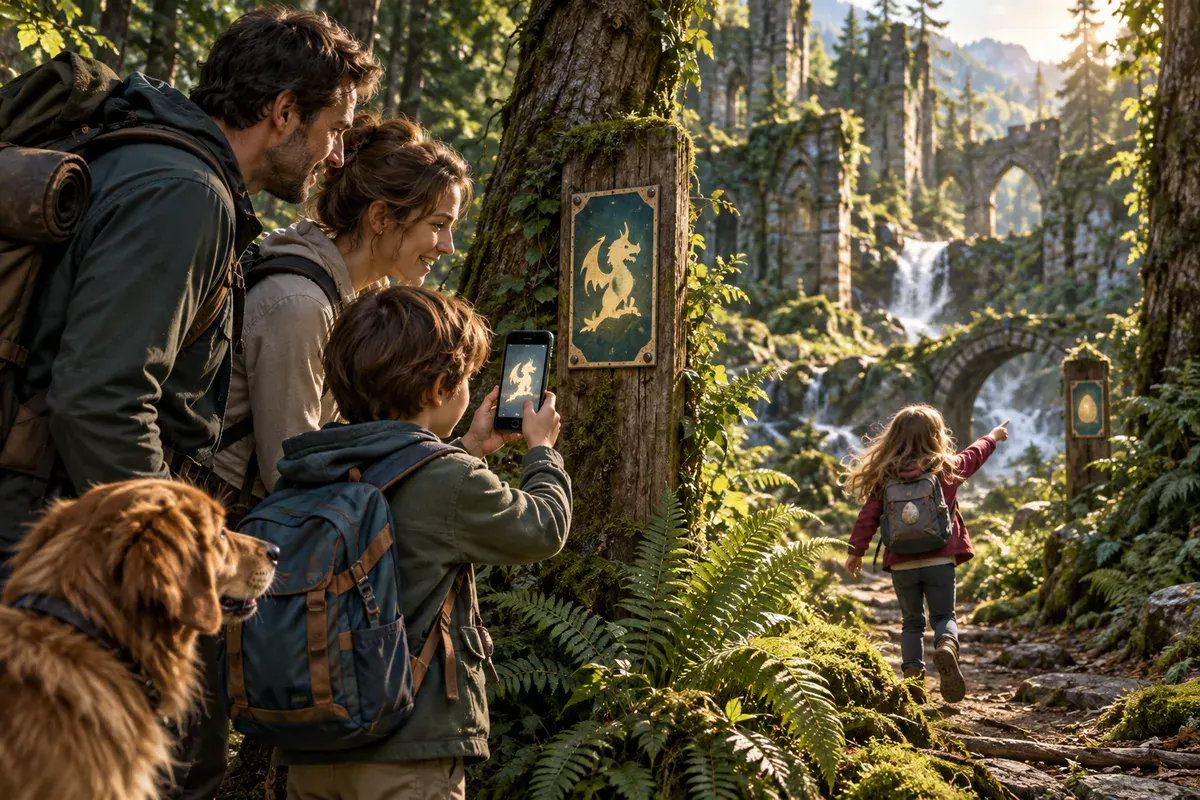
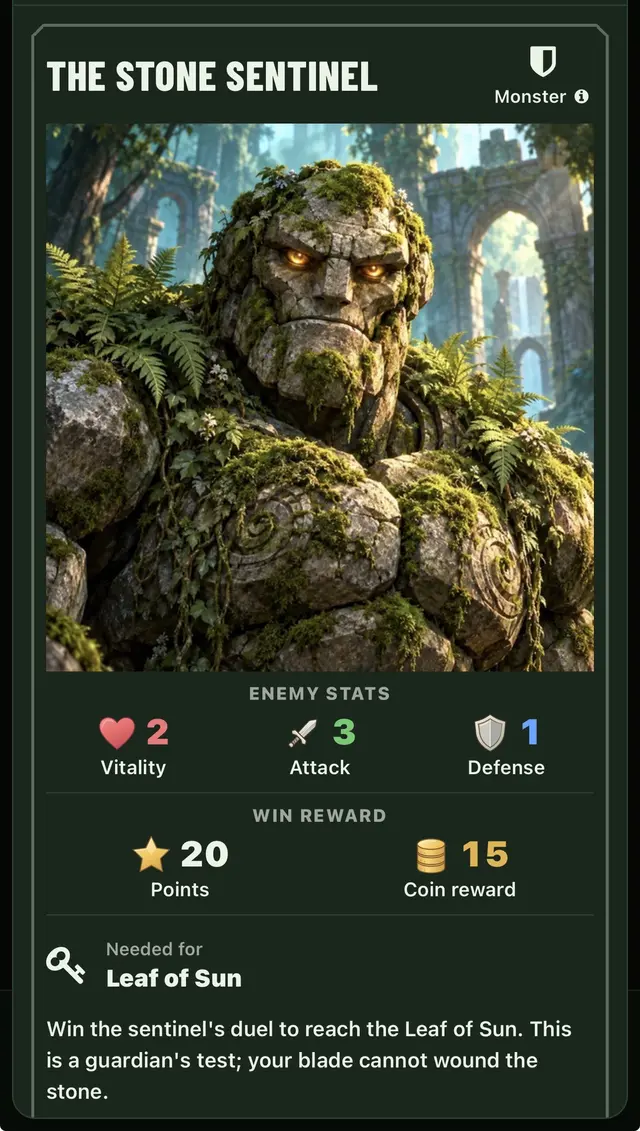
A scavenger hunt where the clues are QR codes. You print them on paper, hide or mount them around a space, and players find them and scan them with a phone. Each code opens a card in the browser — a monster, a merchant, a question, a chest of coins. The card is the reward for finding the code, and the score is the reason to find the next one.

The difference from a paper hunt is that the codes can hold anything and the scoring is automatic. Nobody marks answer sheets at the end, and nobody argues about who found the fountain first — the board already knows.

No app to install

Every phone made since 2017 decodes a QR code from its own camera app. A player points, taps the notification, and is playing in the browser. There is nothing to download and no account to make.

The space is the board

A code is only worth finding because it is somewhere. A classroom, a farm, a museum wing, three floors of an office — the hunt is shaped by the building rather than by a screen.

The codes are reusable

Paper is cheap and a code is a link. Print a fresh sheet for the next group, or leave the holders mounted and change the story each season.

How to run one

Ten minutes of setup, most of it with scissors.

1

Pick or write the story

Start from a ready-made adventure in the library, or describe your space and have one written around it. The cards are the questions, the monsters and the treasure.

2

Print the sheet

One PDF, one code per card, cut lines included. A home printer and ordinary paper are enough — a QR code does not care about paper quality.

3

Hide them

Under a chair, behind a plaque, on a shelf end, up a tree. Somewhere a player can hold a phone about a foot away from it.

4

Start, and watch the board

Players join with a team name and scan. The leaderboard updates as they go, and you can see which codes nobody has found.

Things that go wrong, and how not to

All four are learned the hard way, usually at somebody's birthday party.

Print bigger than you think

A code smaller than about 3cm is one a phone struggles with in bad light. The sheet is sized for this; shrinking it to save paper is the commonest reason a hunt stalls.

Keep them out of direct sun

Glare flattens the contrast a decoder needs. A code in a shady spot reads from further away than one in full sun.

Check the signal where you hide them

The card opens over the network. A basement corner with no bars is a code that scans and then spins. Walk the route with a phone first.

Laminate anything outdoors

One shower turns a paper code into a grey rectangle. A sandwich bag works; a laminator works better.

Who runs these

Parties and family days
A dozen codes around a house and garden, and the afternoon runs itself.
Museums and galleries
The answers are in the exhibits, so the hunt makes visitors read the plaques.
Classrooms and school trips
A whole year group, split into teams, working a route in a set order.
Offsites and onboarding
A new starter learns the building by having to find things in it.

Questions about QR scavenger hunts

No. Any phone camera made in the last several years decodes a QR code on its own, and the card opens in the browser. There is also a scanner built into the page for phones that struggle, so a player never has to leave the hunt.

You do not have to make them. Building a hunt generates one code per card, with its own link, and hands you a printable sheet. Making them by hand with a generator means keeping track of which code points where, which is the part that goes wrong.

Twelve to twenty for an afternoon. Fewer than eight and it is over too quickly; more than about twenty-five and the hiding takes longer than the playing.

Yes, with two cautions: laminate the codes, and check phone signal along the route. Rain and a dead spot are the only two things that reliably break an outdoor hunt.

No. Playing is free and always has been — no account, no email, nothing collected from a child. Organizations pay an annual subscription to write and run their own trails.

Yes. Teams play the same set of codes independently and appear on one leaderboard. Nothing is used up when somebody finds it.

The staff page lists every code by when it was last scanned, so one that has gone quiet shows up within the week. Reprint that card and put it back.

Run your first hunt

Start from a ready-made adventure, or have one written around your space.

Start your organization Write to us